
Midlothian, IL Pallet Jack Scale Solutions
Efficient Pallet Handling and Weight Verification in Midlothian
Businesses in Midlothian, Illinois use pallet jack scales to combine load measurement and pallet transport in a single process. These mobile systems can support receiving checks, internal transfers, inventory verification and shipping without requiring every pallet to be moved onto a fixed scale.
Precision Scale & Controls provides pallet weighing equipment and technical support for organizations across Cook County. We help customers compare capacity, pallet fit, accuracy and available data features, backed by calibration, maintenance and repair services.
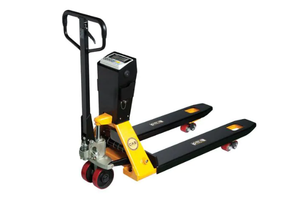
Mobile Pallet Scale Configurations and Applications
Material-handling needs vary across Midlothian, Illinois, so pallet weighing equipment should be matched to the load, environment and workflow. Available configurations can support routine internal checks, qualifying commercial transactions or connected data collection.
General-Purpose Systems
Support routine warehouse, receiving and shipping weight checks.
Legal-for-Trade Options
Approved models may suit qualifying applications where weight determines value.
Connected Systems
Compatible equipment may transmit data to printers, computers or software.
Industry Applications


Complete Pallet Jack Scale Solutions for Midlothian, IL
Precision Scale & Controls supports pallet weighing applications from equipment selection through ongoing service. Our team helps Midlothian customers compare capacity, fork configuration, indicator features and data options before purchasing or renting.
Installation, calibration, preventative maintenance and repair provide continued support after the equipment enters operation, helping facilities maintain reliable measurement performance.


Additional Illinois Pallet Jack Scale Locations:
Pallet Jack Scale Operation and Service Questions
Find practical information about pallet jack scale service in Midlothian, Illinois.
Requirements vary by model. Professional commissioning can confirm setup, configuration, initial calibration and operator functions.
Compare fork length, width and spacing with pallet openings and load dimensions. Capacity and turning space also matter.
Possible causes include uneven flooring, improper load placement, debris, damage, low power or a need for calibration.
Intervals should reflect usage, environmental conditions, equipment history, accuracy requirements and quality procedures.
Availability depends on equipment and application requirements. Rentals may help with temporary projects, seasonal demand or replacement needs.